If You Like Noah Kahan, Try These Instead
There’s a certain kind of artist that sneaks up on you.
Not with big, explosive production or genre-defining moments, but with something that feels familiar almost immediately. The kind of music that sounds like it’s been sitting somewhere in the back of your mind long before you ever pressed play.
For a lot of people (myself included), Noah Kahan has become that artist.
His mix of folk-leaning production, introspective lyricism, and that very recognizable brand of emotional honesty has carved out a space that feels both personal and widely relatable. But once you’ve grown used to that sound, the natural next question becomes: where do you go from here?
Lately, I’ve been trying to answer that question — and in the process, I’ve landed on a couple of artists who scratch a very similar itch, without feeling like carbon copies.
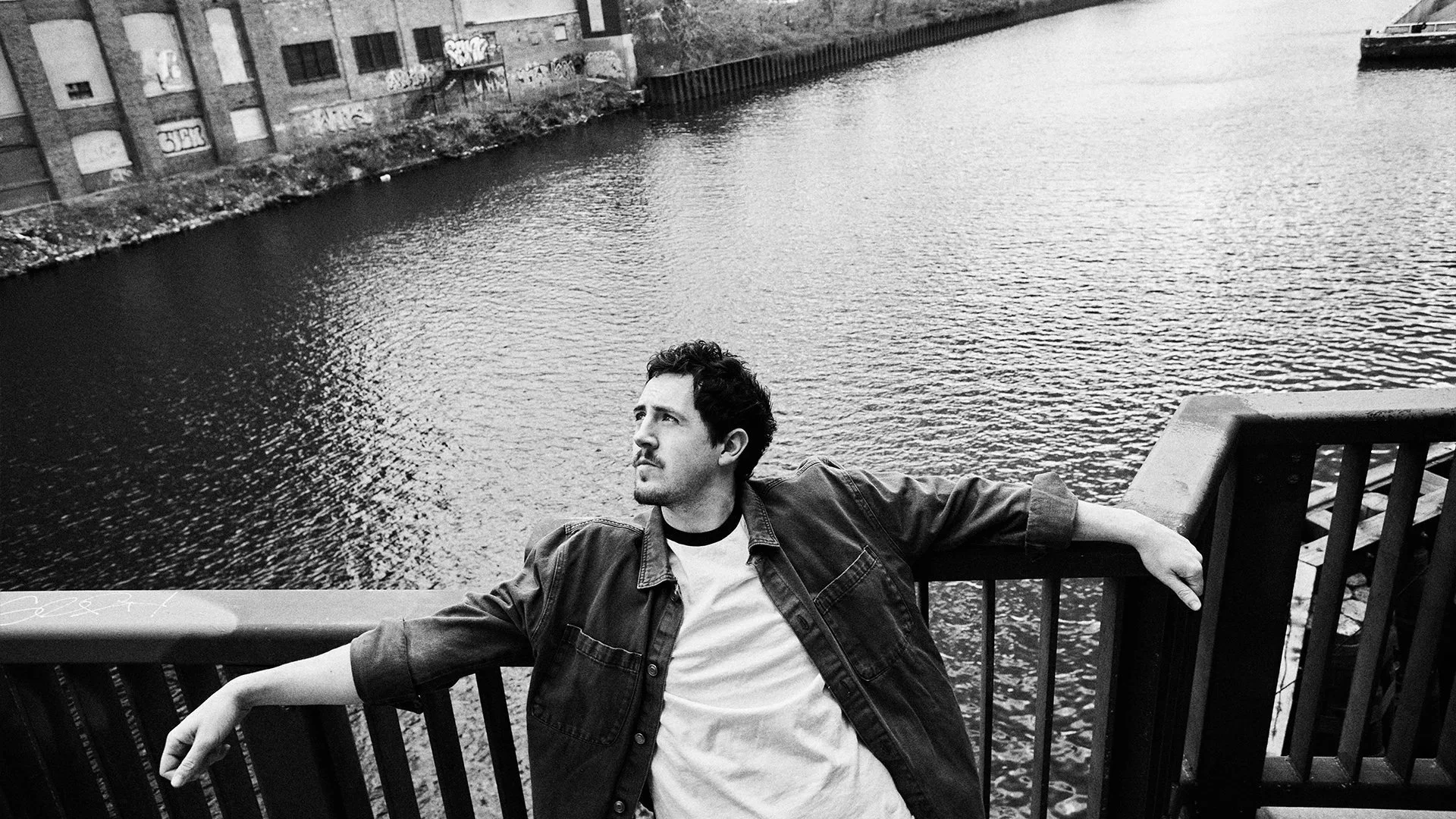
Like that of Kahan’s, there’s something immediately recognizable about Marcagi’s music, even on a first listen. It lives in that same space of reflective, folk-adjacent storytelling but with a slightly different emotional texture.
While Kahan often leans into sweeping, almost cathartic releases, Marcagi feels a bit more restrained. His songs tend to unfold slowly, carefully building atmosphere and occasionally allowing it to burst open. There’s a steadiness to it, a sense that the emotion is always present, just seldom pushed to the forefront.
There’s a groundedness in his delivery that makes everything feel a little more conversational, like the lived-in feel of Noah’s. It’s the kind of music that retains emotion, listens, and releases as needed, like an old friend that you can always go back to.
If you’re drawn to the storytelling side of Kahan’s music — the way his songs feel like snapshots of specific relatable experiences — Marcagi fits into that space almost seamlessly.

Oly Sherman sits in a slightly different corner of this same emotional landscape—one that leans a bit further from the folksy bones of Kahan and Marcagi and closer to the alternative, almost pop side of things.
The introspection is still there, but it’s wrapped in brighter textures and more immediately engaging melodies. Compared to Kahan’s more folk-rooted sound, Sherman’s music feels a little more polished, a little more rhythm-forward. There’s a stronger emphasis on hooks, on structure, on that subtle push toward something catchier without losing the underlying weight.
That shift makes his songs feel more outward-facing. Where Kahan (and even Marcagi) often sound like they’re processing something in real time, Sherman’s tracks feel more composed — like the emotion has already settled, and what you’re hearing is the reflection that comes after.
It’s not as raw, but it doesn’t need to be. The tradeoff is a sound that’s easier to sink into on repeat, balancing that same kind of vulnerability with a slightly more accessible, alt-pop edge.
If you’re looking for something that carries the emotional core of Noah Kahan but presents it through a different lens, Sherman feels like a natural next step.
The interesting thing about finding artists like these is that they don’t replace what you already love. They just widen the lens a bit.
Noah Kahan still does what he does best. That doesn’t change. But discovering artists like Marcagi and Sherman adds a few more shades to that same emotional palette.
And sometimes, that’s all you’re really looking for — not something completely different, just that deeper dive into the emotions and themes you’ve already come to love.