The Kanye West Problem
At this point, it almost feels reductive to say that Ye is a controversial figure. The word “controversy” implies surprise, and there hasn’t been much of that left in his case for years now. Instead, what he’s become is something more unsettling and harder to name: an artist who repeatedly detonates public goodwill, disappears into the fallout, and then somehow inevitably returns.
The cycle has been impossible to ignore and equally impossible to fully make peace with. I’ve been a longtime fan of Kanye’s music. I’ve loved his albums, studied his production choices, and felt genuine awe at his ability to bend sound, genre, and culture to his will. I’ve also disagreed with him profoundly, often, and without hesitation. Holding those two truths at once has become part of the Kanye West listening experience whether you asked for it or not.
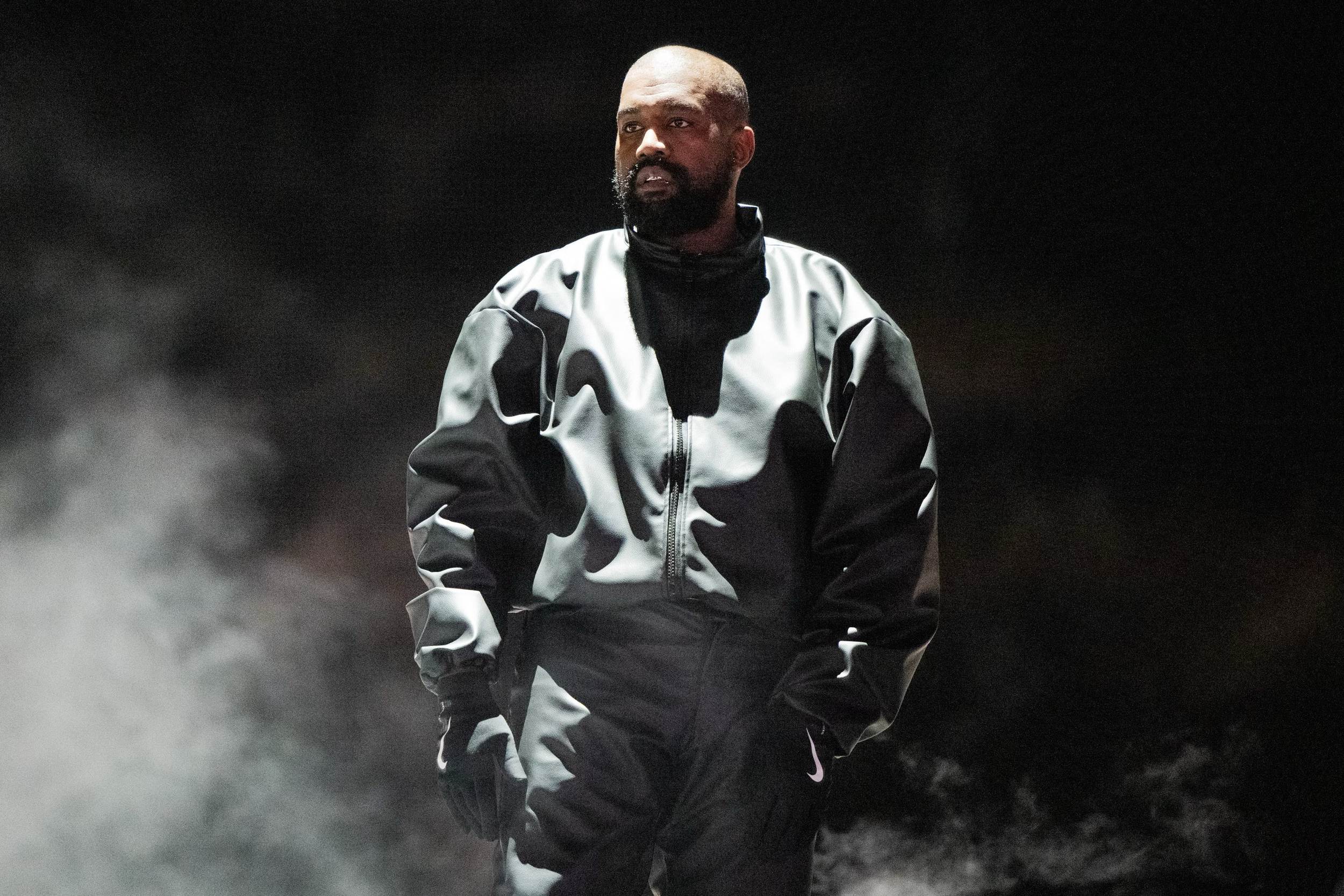
Ye’s been in trouble with the public many times, and the reasons have evolved. Early controversies like interrupting award speeches, antagonizing peers, and speaking impulsively were chalked up to ego or spectacle. Later, things darkened. As his mental health struggles became more visible, so did statements and behaviors that crossed from erratic into harmful. Over the years, these moments landed anywhere from offensive to deeply troubling, costing him partnerships, public trust, and, at times, the benefit of the doubt altogether.
To be clear: none of that deserves defense. Mental illness may help explain behavior, but it does not excuse hateful rhetoric or actions that cause real harm. Acknowledging his struggles does not mean minimizing the damage done by his words. That line matters, and it should never be blurred.
So why does Kanye seem immune to cancel culture in ways that other artists and public figures can’t replicate? There are a number of answers — take your pick.
Part of it is cultural saturation. Early on, Kanye didn’t just make music people liked; he shaped how modern hip‑hop sounds, made huge contributions to how contemporary pop production is approached, and treated age-old genre boundaries as suggestions rather than rules. From Travis Scott’s atmospheric production to Charli XCX’s avant-garde style to Tyler, the Creator’s album-as-art-object mentality, his influence is found all over the place. You can’t remove him from the conversation without unraveling a significant chunk of the last two decades of popular music. Cancel culture, for all its force, is ineffective when the target is baked into the foundation.
Another part is his genuine artistic output. For better or worse, Kanye has repeatedly followed moments of public disgrace with music that demands attention. Not because it’s provocative or messy, but because it’s often very, very good. He understands tension, maximalism, restraint, and reinvention on a level few of his peers ever reach. Even listeners who want nothing to do with him find themselves reluctantly impressed by his releases.
Art that strong complicates clean moral resolutions, and as a fan, this is where the dissonance sets in. I’ve long believed in separating the art from the artist, and with Kanye, that skill is put to the test constantly. Cancel culture tends to work best on figures whose relevance depends on public approval. By all accounts, Kanye’s relevance has outgrown that dependency. He’s not sustained by likability; he’s sustained by legacy, influence, and an audience that splits between loyalty, fascination, exhaustion, and refusal. That doesn’t make him untouchable, but it does make him hard to erase.
None of this means he should be immune to criticism. If anything, figures with his reach deserve more scrutiny, not less. But pretending that the conversation ends once we’ve decided how we feel about him ignores the uncomfortable truth: Kanye West is a case study on how talent, influence, and controversy collide in ways we as listeners aren’t equipped to neatly resolve.
I won’t defend Kanye’s harmful narratives. I don’t endorse his behavior. And I don’t think appreciating his contributions requires silence about his failures. It requires honesty about the art, about the damage, and about our own capacity to hold conflicting truths at once.
Ye keeps coming back not because he’s forgiven, but because his work refuses to disappear. And that introduces an entirely new perspective that many of us are afraid to face: that culture is willing to wrestle with discomfort when the music is powerful enough to demand it.
And whether we like that reality or not, it says just as much about us as it does about him.